Thimphu, the capital of Bhutan, skilfully combines traditional customs with contemporary advancement. It gives tourists a thorough understanding of Bhutanese governance, culture, and way of life. It is notable for being one of the few capitals in the world without traffic lights; instead, crossings are controlled by traffic police. Key attractions include the towering Buddha Dordenma, the National Folk Heritage Museum, and the Motithang Takin Preserve, home to Bhutan’s national animal.
Paro is frequently the first destination for tourists because it is home to Bhutan's only international airport. The valley is rich in spirituality and history, surrounded by mist-covered mountains and verdant rice fields. Its most well-known site is the legendary Tiger's Nest Monastery, which has profound spiritual importance and stunning views. The National Museum of Bhutan, Kyichu Lhakhang, Rinpung Dzong, and Drukgyel Dzong are other highlights. The vibrant Paro Tsechu festival draws travellers from around the world.
Punakha is renowned for its picturesque surroundings and lush valleys, situated at the meeting point of the Pho Chhu and Mo Chhu rivers. Along the banks of the river stands the spectacular Punakha Dzong, one of Bhutan's most beautiful strongholds. Sangchhen Dorji Lhuendrup Nunnery, Chimi Lhakhang, and Khamsum Yulley Namgyal Chorten are nearby points of interest. Punakha is a nature lover's delight with its sweeping valley views and hanging suspension bridge.
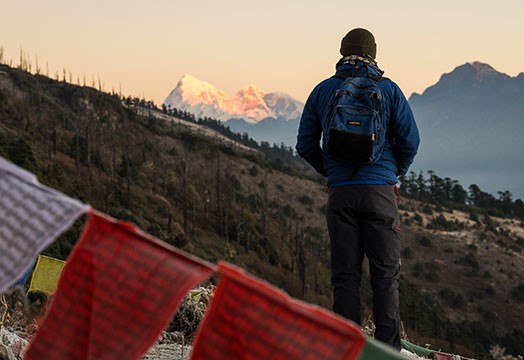
One of Bhutan's highest motorable sites, Chele La Pass connects the Paro and Haa valleys at an elevation of about 4,000 meters. The picturesque journey winds past mountains fringed with prayer flags and rhododendron trees. Mount Jomolhari and Mount Jichu Drake are visible to tourists on clear days. This location is made more spiritually appealing by the Kila Nunnery, which is situated on a cliff.
Phuentsholing, a bustling gateway town that blends Indian and Bhutanese cultures, is situated near to Jaigaon in India on the Indo-Bhutan border. For visitors arriving by car, it is a crucial point of entrance. The Amo Chhu Crocodile Breeding Center, Karbandi Monastery, and Zangto Pelri Lhakhang are among the attractions.
Phobjikha, a tranquil glacial valley in the heart of Bhutan, is renowned for its expansive vistas and abundant wildlife. The Gangtey Monastery is located there, and the endangered black-necked cranes, which are honoured annually at the Black-Necked Crane Festival, call it home throughout the winter. The valley is a favourite among nature lovers because of its serene setting and beautiful hiking paths.
The Haa Valley, one of Bhutan's most unexplored areas, provides a window into real rural life. The valley, which is encircled by serene villages and alpine forests, is home to the revered twin temples at Lhakhang Karpo and Lhakhang Nagpo, which stand for balance and harmony. It is ideal for tourists looking for peace and tradition because of its understated appeal.
Situated amidst central mountain ridges, Trongsa holds historical significance as the ancestral residence of Bhutan's royal dynasty. Ta Dzong Trongsa displays Bhutan's regal past, while the striking Trongsa Dzong commands the landscape. Trongsa is a place rich in culture and legacy, with other noteworthy locations like Kuenga Rabten Palace and Chendebji Chorten.

During our high-altitude climb, I was amazed by the professionalism and safety standards. The trip was remarkable, and the support staff was excellent.

Everything went smoothly, including hotel reservations and visa arrangements. Our guide's cultural insights gave the trip a profound sense of significance. Strongly advised.

I went on a group excursion and came away with lifelong memories and new friends. The group was very professional, well-organized, and on time. Bhutan was secure and kind.

We had a wonderful honeymoon in Bhutan. We will always treasure the memories made in the picturesque monasteries, romantic settings, and breathtaking mountain vistas. Everything was set up with care.

Fantastic scenery, amiable guides, and expert service. The schedule struck the ideal blend between leisure and adventure. I heartily endorse Trekkup Bhutan.

Our cultural excursion went above and above. Everything seemed genuine and significant, from lively festivals to historic monasteries. The experience of trekking was just amazing. The cuisine, organization, and support staff were outstanding.

Trekkup Bhutan's trip was genuinely transformative. The guides were quite polite and knowledgeable, and the adventure hike was well-organized.

From enquiry to SDF, get all of your questions answered

Contact: +975 1245 6789
Yes, in order to arrange for visas, permits, lodging, and services, foreign visitors must make their travel arrangements through a licensed Bhutanese tour operator or international partner.
The Sustainable Development Fee (SDF) is a daily fee charged by the government to international visitors. The revenue supports free healthcare, education, infrastructure development, and environmental conservation in Bhutan.
Yes, solo travellers are welcome and can choose a private route tailored to their tastes or join group trips.
Yes, each guide with Trekkup Bhutan has a professional training, a license, and extensive experience guiding adventure and cultural trips through Bhutan's varied landscapes.
Yes, we set up camping gear, trekking permits, skilled guides, cooks, and support staff for trekking trips in order to guarantee a comfortable and safe trip.
By reducing our influence on the environment, helping local people, encouraging cultural preservation, and adhering to Bhutan's national tourism policies that prioritize responsibility and quality, we are dedicated to sustainable travel.
Yes, we facilitate a seamless and trouble-free arrival into Bhutan by handling the complete visa procedure and obtaining all necessary travel permits.
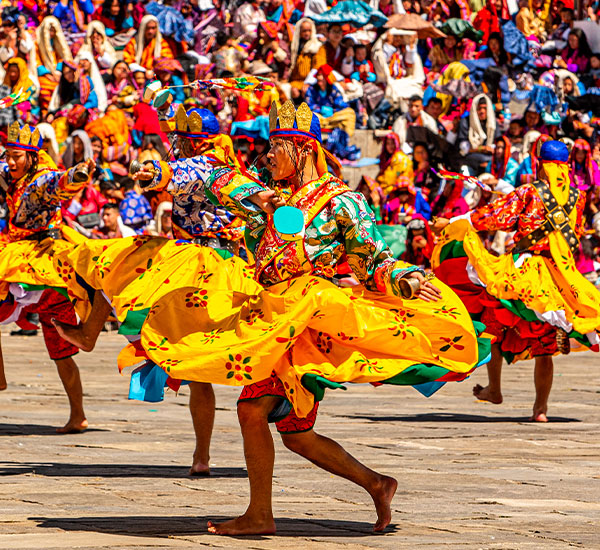
 Festival Tour in Bhutan
Hiking Tour in Bhutan
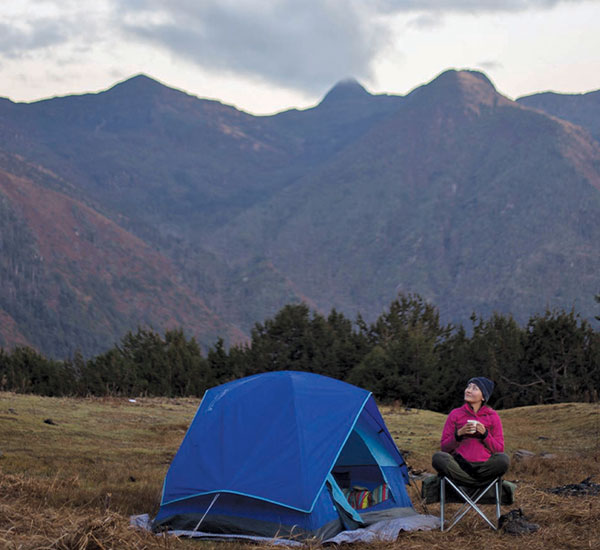
Trekking Tour in Bhutan
Culture Tour in Bhutan
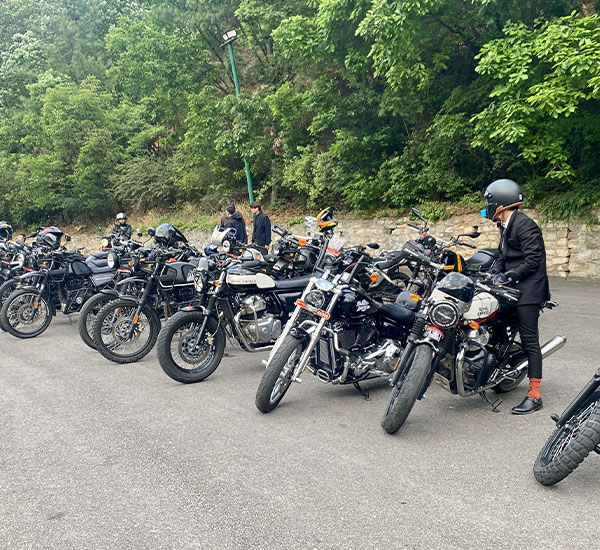
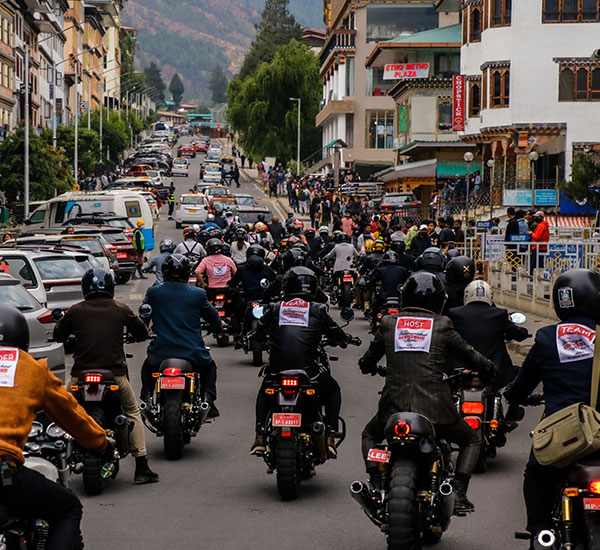
Motorcycle Tour in Bhutan
Festival Tour in Bhutan
Hiking Tour in Bhutan
Trekking Tour in Bhutan
Culture Tour in Bhutan
Motorcycle Tour in Bhutan
Festival Tour in Bhutan
Hiking Tour in Bhutan
Trekking Tour in Bhutan
Culture Tour in Bhutan
Motorcycle Tour in Bhutan
Festival Tour in Bhutan
Hiking Tour in Bhutan
Trekking Tour in Bhutan
Culture Tour in Bhutan
Motorcycle Tour in Bhutan

