The people of Bhutan are a diverse mosaic of ethnic groups, each with distinct languages, traditions, and ways of life, yet all deeply shaped by Buddhism and the Himalayan environment. The Ngalop, settled mainly in western Bhutan, are the politically and culturally dominant group, speaking Dzongkha and practicing the Drukpa Kagyu school of Buddhism. They set much of the country's religious and administrative traditions, and their dress—gho for men and kira for women—is widely recognized as a national symbol. In the east, the Sharchop are the region's earliest settlers, speaking Sharchopkha and maintaining strong local customs and village autonomy, while in the south, the Lhotshampa, of Nepali origin, primarily practice Hinduism and contribute significantly to Bhutan's agricultural communities, though they have faced historical marginalization.
The people of Bhutan are a diverse mosaic of ethnic groups, each with distinct languages, traditions, and ways of life, yet all deeply shaped by Buddhism and the Himalayan environment. The Ngalop, settled mainly in western Bhutan, are the politically and culturally dominant group, speaking Dzongkha and practicing the Drukpa Kagyu school of Buddhism. They set much of the country's religious and administrative traditions, and their dress—gho for men and kira for women—is widely recognized as a national symbol. In the east, the Sharchop are the region's earliest settlers, speaking Sharchopkha and maintaining strong local customs and village autonomy, while in the south, the Lhotshampa, of Nepali origin, primarily practice Hinduism and contribute significantly to Bhutan's agricultural communities, though they have faced historical marginalization.
Bhutan's linguistic landscape reflects its rich ethnic diversity and historical ties with Tibet, India, and neighboring Himalayan regions. Dzongkha, the national language, is the official language of government, administration, and education. It is written in the Tibetan script and is central to the country's identity, especially in western Bhutan where the Ngalop population predominates. Most official documents, newspapers, and broadcasts are in Dzongkha, and it serves as a unifying language across Bhutan's varied communities.
Beyond Dzongkha, several regional languages flourish. Sharchopkha, spoken in eastern Bhutan by the Sharchop people, has several local dialects and remains the main language of daily life in that region. In the south, Lhotshamkha (Nepali) is spoken by the Lhotshampa community, while central valleys like Bumthang have their own local languages, such as Bumthangkha, which are related to classical Tibetan. English, introduced through the modern education system, is widely taught in schools and acts as a bridge between different linguistic communities, making it the country's practical lingua franca in education, business, and tourism. This multilingual environment highlights Bhutan's ability to balance traditional identity with modern communication needs, preserving local languages while embracing wider connectivity.
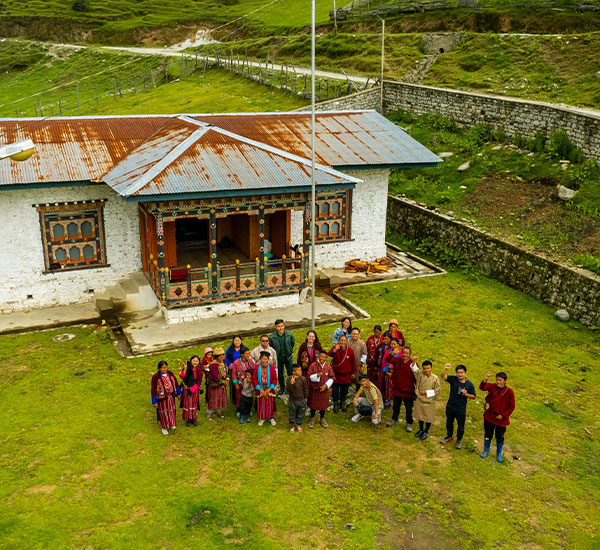
In addition to Bhutan's major ethnic groups, the country is home to several small, remote communities that preserve ancient ways of life high in the Himalayas. The Layap, living in northern Bhutan around the high mountains and valleys, are primarily nomadic yak herders. They are known for their resilience in harsh climates, living in simple stone-and-wood homes, and maintaining traditions such as wearing yak wool garments and distinctive ornaments. Similarly, the Brokpa, found in northeastern valleys, are a small pastoralist group with a unique culture and dress, often characterized by colorful woven clothing, elaborate headdresses, and intricate jewelry.
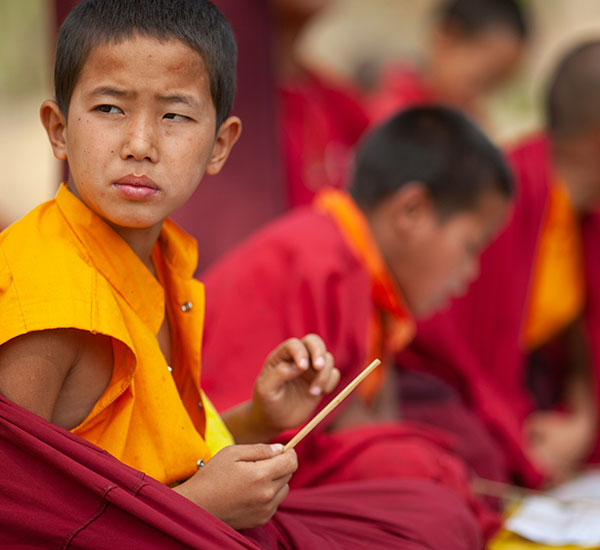
These minority groups generally speak local dialects and practice Buddhism, though their rituals and religious expressions often include pre-Buddhist animist elements, reflecting a deep connection to nature. Their festivals, ceremonies, and daily practices are distinct from those of the larger Ngalop, Sharchop, or Lhotshampa communities, offering a glimpse into Bhutan's more secluded cultural traditions. Despite their small numbers, these communities are essential custodians of Bhutan's intangible heritage, from oral storytelling and folk songs to traditional craftsmanship, making them living examples of the country's cultural richness and diversity.

During our high-altitude climb, I was amazed by the professionalism and safety standards. The trip was remarkable, and the support staff was excellent.

Everything went smoothly, including hotel reservations and visa arrangements. Our guide's cultural insights gave the trip a profound sense of significance. Strongly advised.

I went on a group excursion and came away with lifelong memories and new friends. The group was very professional, well-organized, and on time. Bhutan was secure and kind.

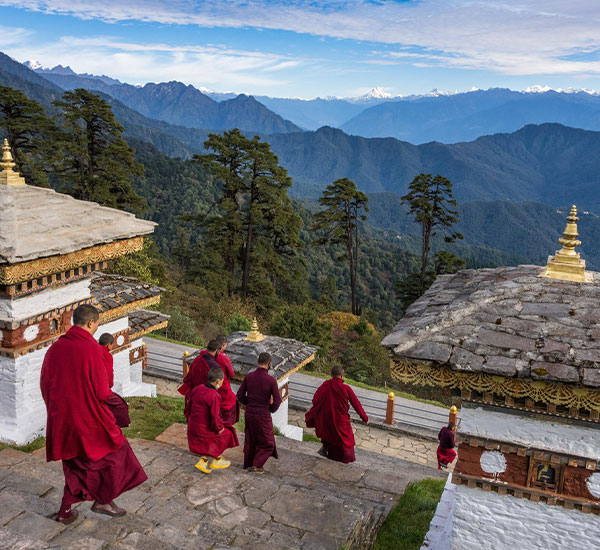
We had a wonderful honeymoon in Bhutan. We will always treasure the memories made in the picturesque monasteries, romantic settings, and breathtaking mountain vistas. Everything was set up with care.

Fantastic scenery, amiable guides, and expert service. The schedule struck the ideal blend between leisure and adventure. I heartily endorse Trekkup Bhutan.

Our cultural excursion went above and above. Everything seemed genuine and significant, from lively festivals to historic monasteries. The experience of trekking was just amazing. The cuisine, organization, and support staff were outstanding.

Trekkup Bhutan's trip was genuinely transformative. The guides were quite polite and knowledgeable, and the adventure hike was well-organized.

From enquiry to SDF, get all of your questions answered

Contact: +975 1245 6789
Yes, in order to arrange for visas, permits, lodging, and services, foreign visitors must make their travel arrangements through a licensed Bhutanese tour operator or international partner.
The Sustainable Development Fee (SDF) is a daily fee charged by the government to international visitors. The revenue supports free healthcare, education, infrastructure development, and environmental conservation in Bhutan.
Yes, solo travellers are welcome and can choose a private route tailored to their tastes or join group trips.
Yes, each guide with Trekkup Bhutan has a professional training, a license, and extensive experience guiding adventure and cultural trips through Bhutan's varied landscapes.
Yes, we set up camping gear, trekking permits, skilled guides, cooks, and support staff for trekking trips in order to guarantee a comfortable and safe trip.
By reducing our influence on the environment, helping local people, encouraging cultural preservation, and adhering to Bhutan's national tourism policies that prioritize responsibility and quality, we are dedicated to sustainable travel.
Yes, we facilitate a seamless and trouble-free arrival into Bhutan by handling the complete visa procedure and obtaining all necessary travel permits.
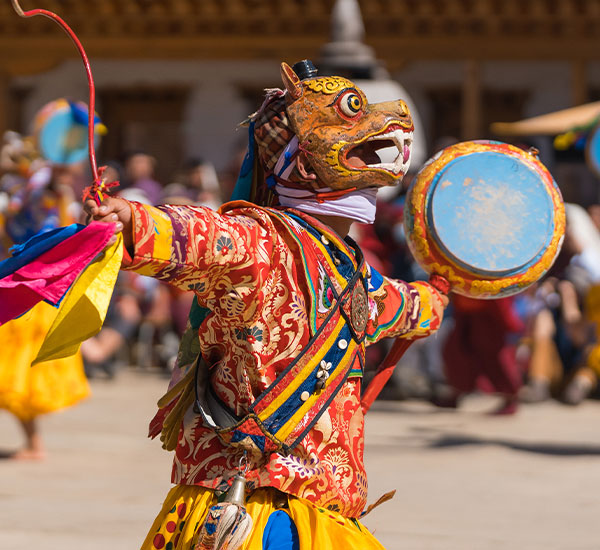
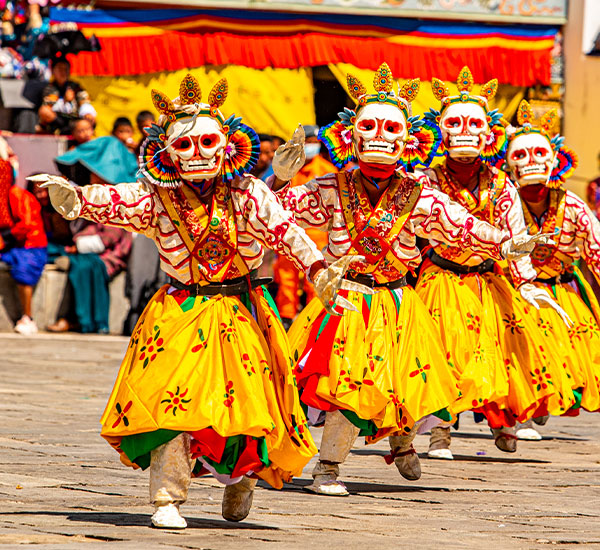
 Festival Tour in Bhutan
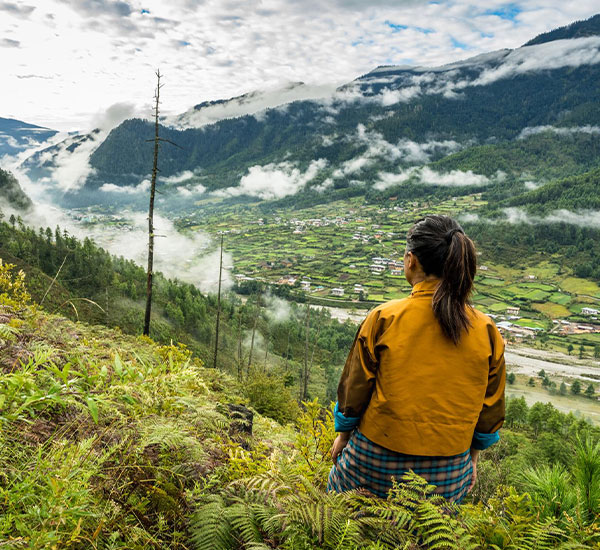
Hiking Tour in Bhutan
Trekking Tour in Bhutan
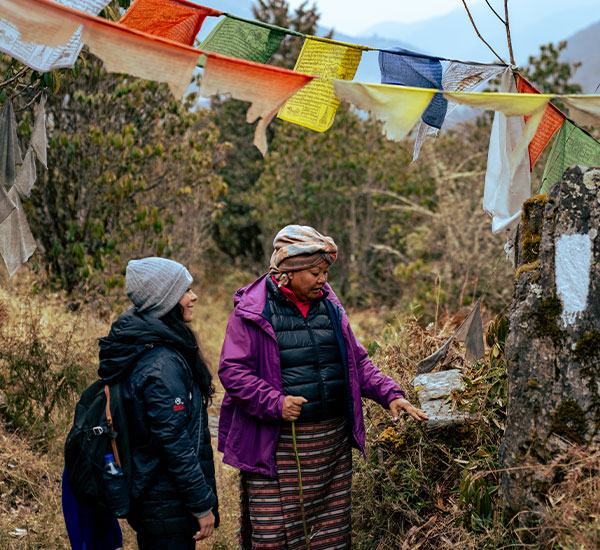
Culture Tour in Bhutan
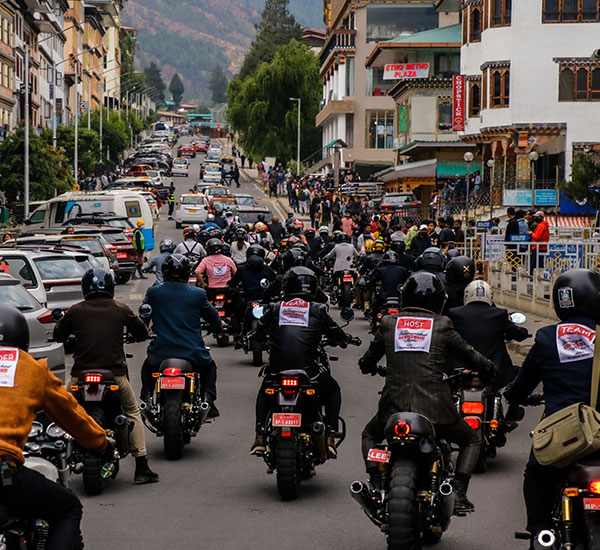
Motorcycle Tour in Bhutan
Festival Tour in Bhutan
Hiking Tour in Bhutan
Trekking Tour in Bhutan
Culture Tour in Bhutan
Motorcycle Tour in Bhutan
Festival Tour in Bhutan
Hiking Tour in Bhutan
Trekking Tour in Bhutan
Culture Tour in Bhutan
Motorcycle Tour in Bhutan
Festival Tour in Bhutan
Hiking Tour in Bhutan
Trekking Tour in Bhutan
Culture Tour in Bhutan
Motorcycle Tour in Bhutan

