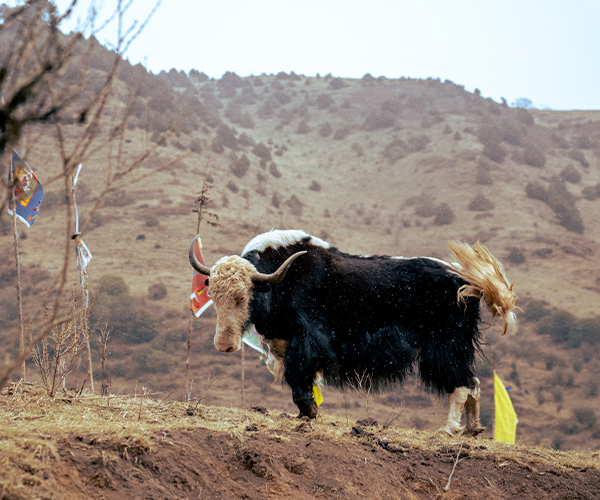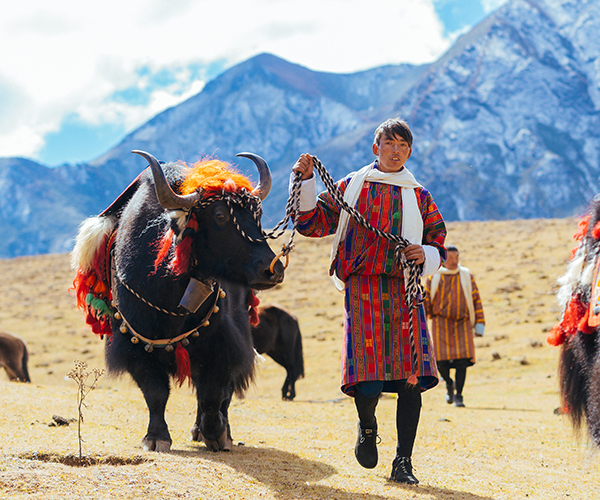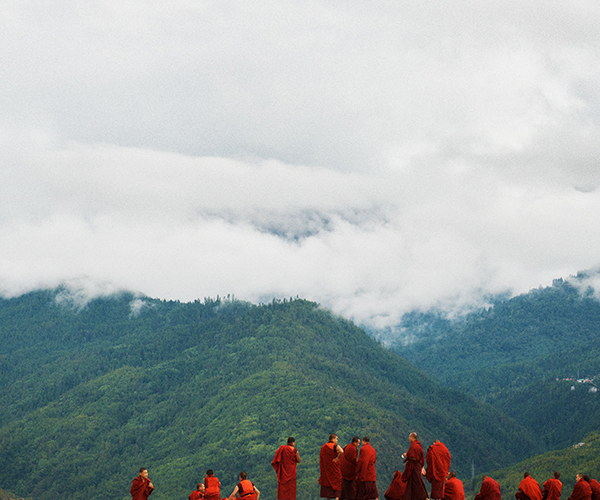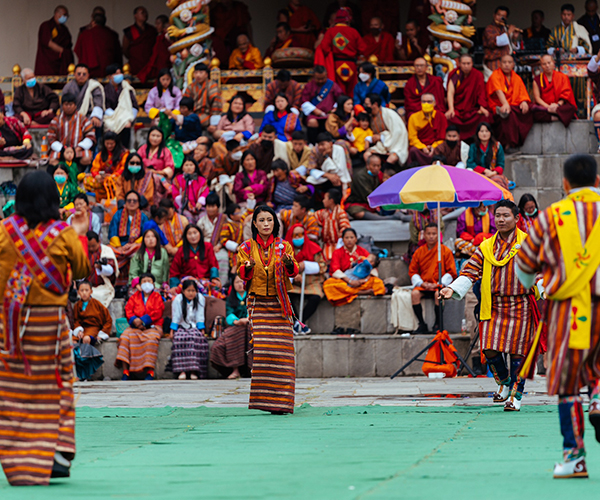
Tradition, spirituality, and a strong sense of community are fundamental to Bhutanese society. Guided mostly by Buddhist beliefs, daily living emphasises respect, harmony, and balance with nature. The people of Bhutan provide an authentic cultural experience defined by centuries-old rituals, traditional clothing, and mindful living, and visitors frequently find them to be friendly, modest, and very inviting.
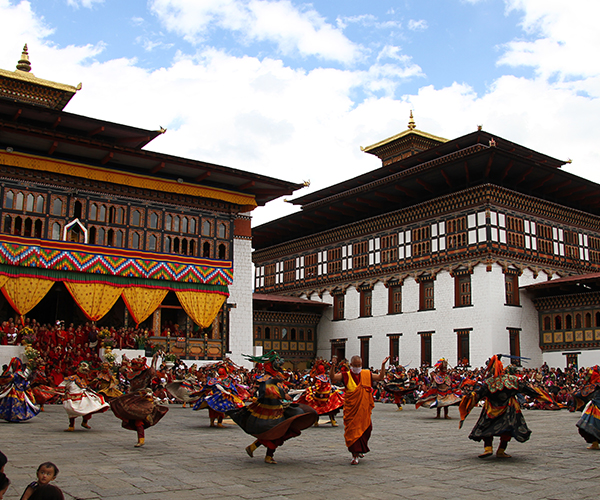
One of the most colourful expressions of Bhutanese culture are festivals, or Tshechu. These celebrations, which take place all throughout the nation, include vibrant mask dances, hallowed music, and symbolic rites that narrate religious and historical tales. Attending a festival invites tourists to watch Bhutan’s spiritual traditions come alive and to engage in moments of community celebration.
Bhutanese food is straightforward but daring, influenced by regional and local ingredients. Meals commonly incorporate chili and cheese, with dishes like Ema Datshi expressing the nation’s passion for robust, comforting ingredients. Traditional meals, served with red rice and seasonal vegetables, offer guests a true experience of Bhutan’s culture and everyday life.
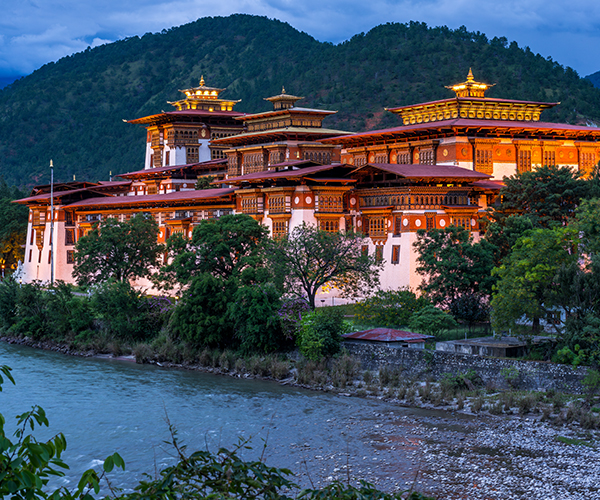
Bhutan provides a choice of accommodation alternatives, from comfortable guesthouses and boutique hotels to luxurious resorts located amid calm surroundings. Many accommodations showcase traditional Bhutanese architecture and hospitality, enabling guests to unwind in comfort and take in the distinctive cultural charm of the nation.
Bhutan’s geography is extraordinarily diversified, spanning from subtropical lowlands in the south to high Himalayan mountains in the north. Different temperature zones are created by this variance, giving anything from chilly alpine regions and snow-covered peaks to verdant plains and woods.
The single international gateway to Bhutan is Paro International Airport, which offers a small number of flights from specific places. Travelers may also enter by border points in southern Bhutan, making the journey both scenic and memorable. Phuentsholing, Samdrup Jonkar and Gelephu are the major borderlands that connect India with Bhutan.
Spring : Spring is one of the greatest times to visit Bhutan, with good weather, blossoming rhododendrons, and bright landscapes. It is great for sightseeing, trekking, and enjoying nature at its best.
Summer : Summer brings monsoon rains, especially in the south, making the countryside lush and verdant. Rain can have an impact on travel, although this time of year is quieter and less crowded.
Fall : Another popular season is autumn, which is characterized by beautiful mountain views, pleasant temperatures, and bright skies. This time of year is ideal for trekking and cultural experiences because it coincides with major festivals.
Winter : While winter is comfortable in lower valleys, it is chilly in upper elevations. With fewer tourists and clear weather, it is a fantastic time for sightseeing, cultural tours, and calm travel.
Carefully designed experiences that blend culture, comfort, and unforgettable Himalayan landscapes.