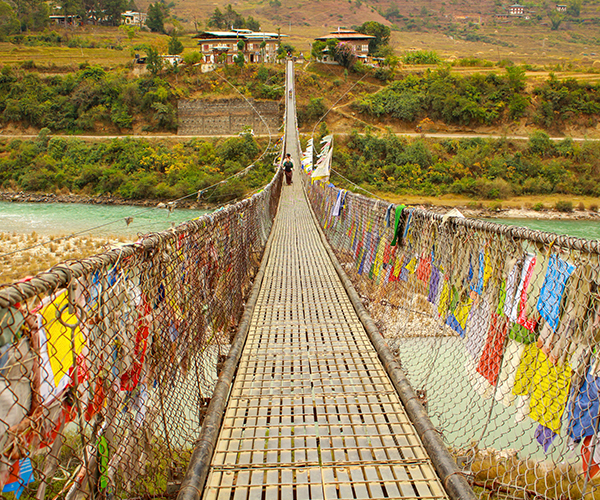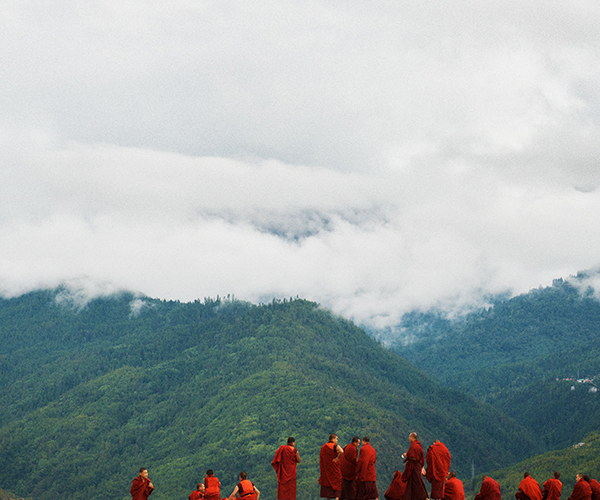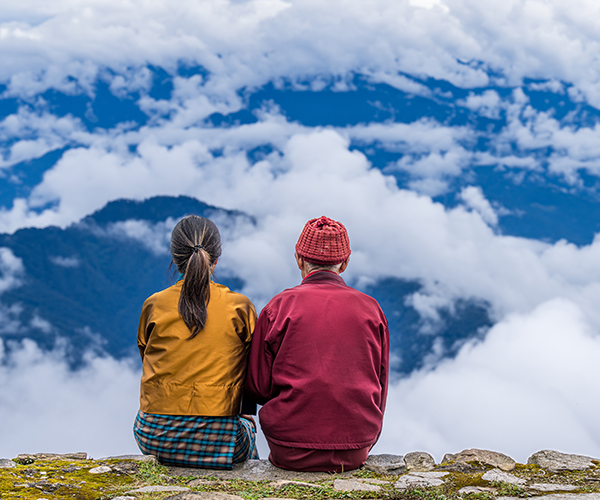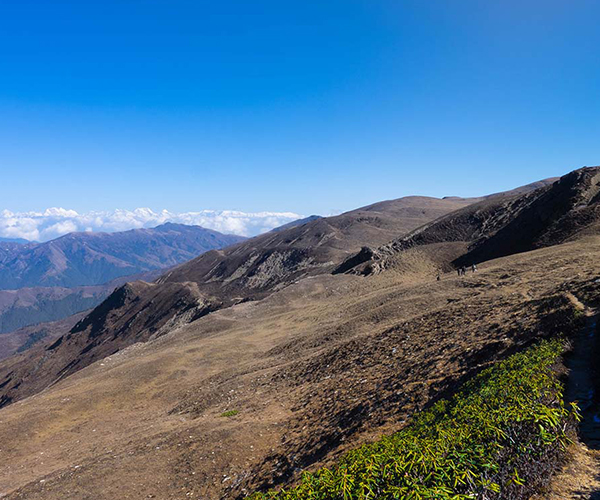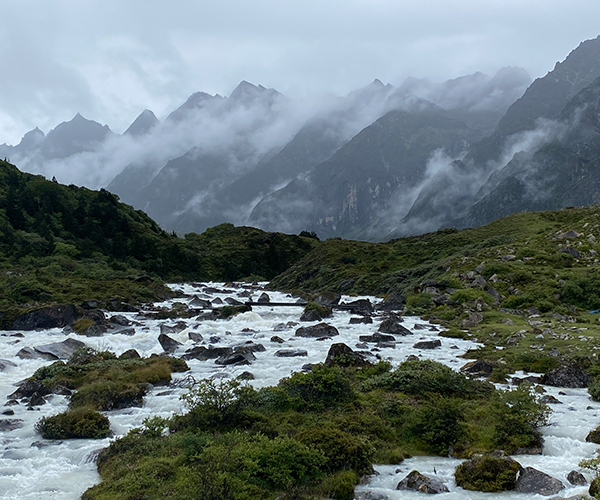
Bhutan is a unique and exceptional country tucked away in the eastern Himalayas, where unspoiled natural beauty coexists with age-old customs. Bhutan, sometimes referred to as the Land of the Thunder Dragon, provides visitors with a profoundly enlightening experience based on spirituality, culture, and balance with the environment. Unlike anywhere else in the world, Bhutan assesses success through Gross National Happiness, valuing well-being, environmental preservation, and cultural integrity over material growth.
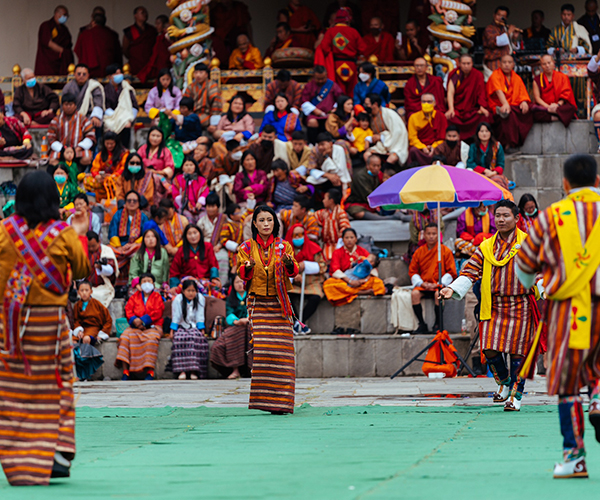
Bhutan’s culture is the spirit of the nation, displayed by vibrant Tshechu celebrations full with masked dances, music, and centuries-old customs, as well as spectacular monasteries and fortresses. Warm and genuine hospitality welcomes guests into a way of life based on mindfulness, balance, and respect; traditional food, vibrant national attire, and a deliberate, leisurely pace foster deeper connection, transforming Bhutan from a destination into a journey that is meaningful and unforgettable.
To enter Bhutan, the majority of foreign visitors need a visa, which must be obtained beforehand from an authorized travel partner or a licensed Bhutanese tour operator. A valid passport with a minimum six-month validity period, a confirmed itinerary, and payment of the Sustainable Development Fee (SDF) and visa fees are prerequisites for obtaining a visa clearance letter and having the visa stamped upon arrival. In order to ensure a seamless and well-regulated travel experience, citizens of Bangladesh, the Maldives, and India must adhere to specific entry regulations. Indian nationals can enter using a passport or voter ID and get a permission, while all tourists must enter through authorized airports or land borders.
Bhutan’s Sustainable Development Fee is a key part of its “high-value, low-impact” tourism policy. The SDF, which is gathered from foreign tourists, is put back into the nation's development to support infrastructure, education, healthcare, cultural preservation, and environmental conservation. This strategy helps preserve Bhutan's pristine landscapes and traditions for future generations while ensuring that tourism stays sustainable and benefits local communities.
Bhutan's development model is based on the concept of gross national happiness. GNH emphasizes holistic well-being by balancing economic growth with environmental protection, cultural preservation, good governance, and social harmony, as opposed to measuring progress only through economic indicators. This philosophy influences national planning, public policy, and everyday life, making Bhutan globally recognized for its people-centered approach to development.
Although Bhutan is considered one of the world's safest tourist destinations, travellers are highly encouraged to bring full travel insurance that covers medical care and emergency evacuation. Because of the country's high-altitude topography, some visitors may feel uncomfortable due to altitude, hence gradual acclimatisation is crucial. Additionally, it is advised to have basic prescriptions on hand, especially while visiting isolated or rural areas.
The Ngultrum (BTN), which is based on the Indian Rupee and widely used, is Bhutan's national currency. It should be noted by travellers that ₹2,000 notes are frequently not accepted. While ATMs are available in big towns and credit cards are often accepted at higher-end hotels and larger enterprises, it is essential to carry adequate cash when visiting rural areas.
You can easily buy tourist SIM cards in large towns or at the airport. Mobile network coverage is reliable in cities and inhabited areas but may be limited in remote places. When compared to other nations, internet speeds can be slower, which gives visitors a welcome chance to disconnect and have a more leisurely, digitally aware experience.
Bhutan provides an extensive range of experiences that appeal to every style of tourist, combining culture, adventure, nature, and spirituality in one magnificent kingdom. From ancient customs and sacred sites to beautiful landscapes and mindful living, Bhutan allows visitors to explore at their own speed and uncover experiences that are both enriching and unforgettable. Whether seeking adventure, relaxation, or cultural immersion, the country gives endless chances to engage deeply with its people and nature.
Respecting regional traditions and customs is a crucial aspect of the trip to Bhutan, which is a culturally enriching experience. Bhutanese society is profoundly based in ideals of respect, harmony, and awareness. By following a few easy dos and don'ts, visitors can assure a meaningful, courteous, and pleasurable stay while interacting positively with the people and culture of this unique Himalayan kingdom.

Carefully designed experiences that blend culture, comfort, and unforgettable Himalayan landscapes.