
Need Help?
+975 7748 7306
Bhutan's tourist policy is "High Value, Low Impact" in order to protect its culture and ecology. In order to actively fund free healthcare, education, infrastructure development, and environmental conservation in the nation, foreign visitors must pay a Sustainable Development Fee (SDF). Travelers who visit Bhutan support the long-term survival of the country and the welfare of its citizens.
All foreign visitors must have a visa in order to enter Bhutan, with the exception of natives of Bangladesh, India, and the Maldives. Through a certified Bhutanese travel operator, the visa needs to be scheduled in advance. The visa approval is completed before your arrival, once your journey has been confirmed. It is necessary to have a passport that is valid for at least six months from the date of admission. Usually, entry is made via the Paro International Airport or specific land border locations.
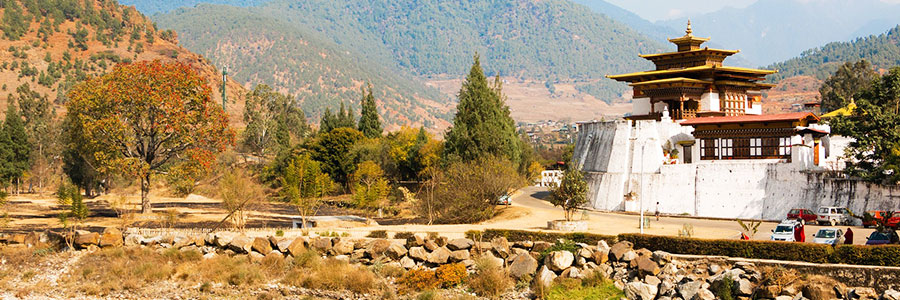
Although English is widely spoken and utilized in government, education, and tourism, Dzongkha is the national language of Bhutan. In large towns, visitors will have little trouble communicating with locals, hotel employees, and guides. Bhutan's vast cultural diversity is reflected in the number of regional dialects that are spoken all over the nation.
Respectful conduct and cultural preservation are highly valued in Bhutan. When visiting monasteries, dzongs, and other places of worship, modest clothing is essential. Tobacco sales are controlled, and smoking is prohibited in public places. It is expected of visitors to respect local fauna, customs, and environmental regulations. Authorized tour providers handle trekking and travel permits to guarantee adherence to national regulations.
Road travel is the main mode of transportation in Bhutan because there are no railways and few domestic airplanes. Major cities and valleys are connected by scenic mountain roadways that provide stunning vistas as they travel. To guarantee safe and comfortable travel throughout your trip, licensed tour operators set up private vehicles with knowledgeable drivers and guides.
When visiting Bhutan, it is strongly advised to get travel insurance that covers medical emergencies, accidents, and trip disruptions. Major towns have access to basic medical facilities, while regional centres like Thimphu have reference hospitals. Trekkers and adventurers should make sure emergency evacuation coverage is included in their insurance.
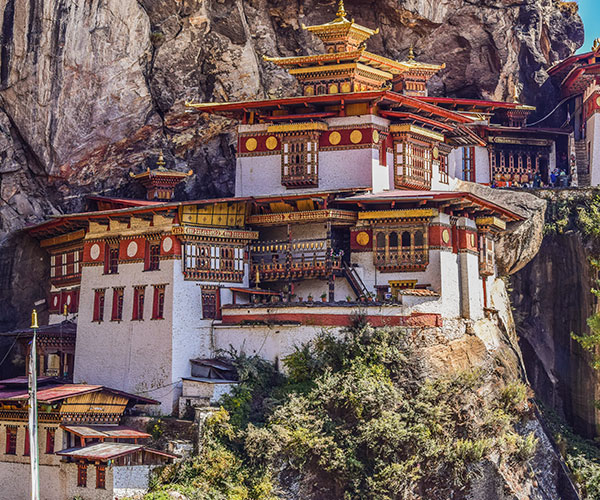
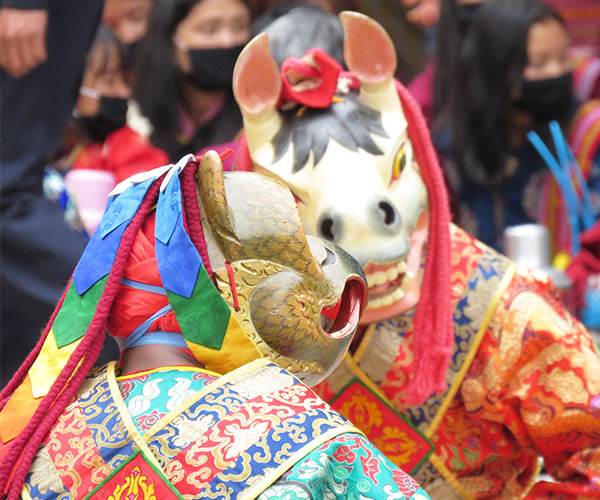
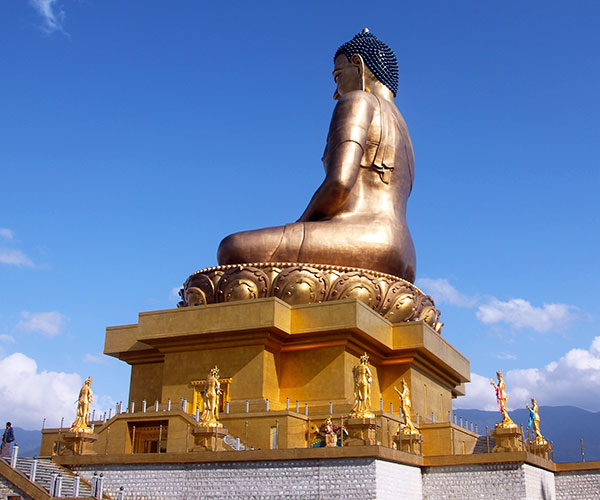
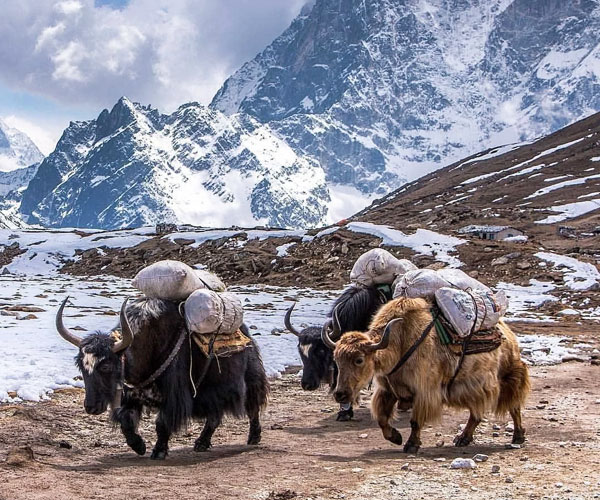
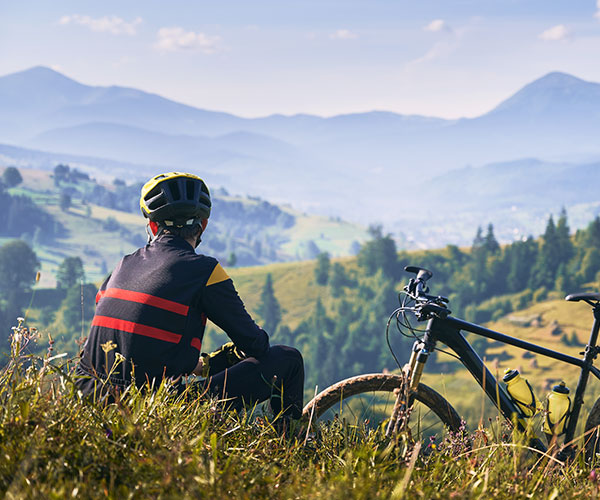
Every traveller can find a variety of engaging experiences in Bhutan. Explore magnificent dzongs and historic temples, go on a hike to the famous Tiger's Nest Monastery, go to colorful festivals, climb through the Himalayas, ride a bicycle along mountain routes, go birdwatching, or just unwind in serene valleys. Bhutan offers unique experiences throughout the year, whether you're looking for adventure, spirituality, culture, or the outdoors.
By submitting this form, you agree to our Privacy Policy.
 Plan A Trip