
WhatsApp
97517271329

Bhutan, a picturesque country located on the eastern foothills of Himalayas is a must to go place for every nature lover and adventure seeker. Bhutan is a tranquil country in the Himalayas where nature, culture, and spirituality coexist together. Bhutan, a country nestled between China and India, is known for its lush valleys, striking mountain scenery, and centuries-old monasteries that still influence daily life.
Bhutan's dedication to Gross National Happiness (GNH), a development ideology that puts environmental conservation, cultural preservation, and the welfare of its people ahead of material prosperity, sets it apart from the rest of the world. Bhutan is known across the world as an example of sustainable living, with protected forests covering more than 69% of the nation. A meaningful experience that combines adventure, awareness, and authentic Bhutanese hospitality is provided by traveling with Karma Tours Travel. Organizing a trip to Bhutan differs from organizing travel to the majority of other nations. A smooth and rewarding journey can be ensured by being aware of these important factors beforehand.
In order to protect its distinctive culture and pristine environment, Bhutan's "High Value, Low Impact" tourist policy requires a Sustainable Development Fee (SDF), which costs USD 100 for foreign visitors and ₹1,200 per person per night for Indian citizens. Children are given a 50% discount. The country's commitment to sustainable growth is reinforced by this mandatory charge, which must be paid either before or upon arrival and directly funds important national initiatives including healthcare, education, infrastructure development, and environmental conservation.
The majority of foreign visitors need to obtain a visa in order to enter Bhutan, however those going with Karma Tours Travel can highlight the process by just providing a clear copy of their passport for prior clearance. The visa is then stamped upon arrival at Paro International Airport. Citizens of Bangladesh, India, and the Maldives, on the other hand, are not required to have a visa; instead, they can visit Bhutan and obtain an entry permission upon arrival by presenting a valid passport or a voter ID provided by the government.
Most foreign visitors are not allowed to travel independently in Bhutan's regulated tourism system; instead, all travellers must plan their entire trip in advance through a Bhutanese tour operator with a license. By requiring that lodging, transportation, and sightseeing be planned in advance and that a trained local guide and driver accompany the guest throughout their journey, this mandated arrangement protects safety, fosters cultural respect, and supports sustainable tourism.
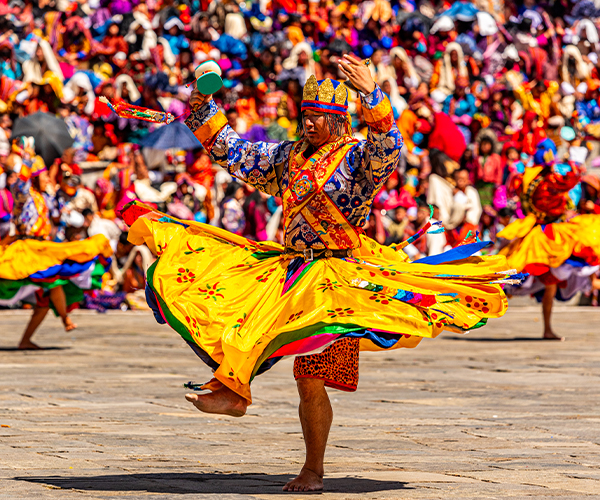
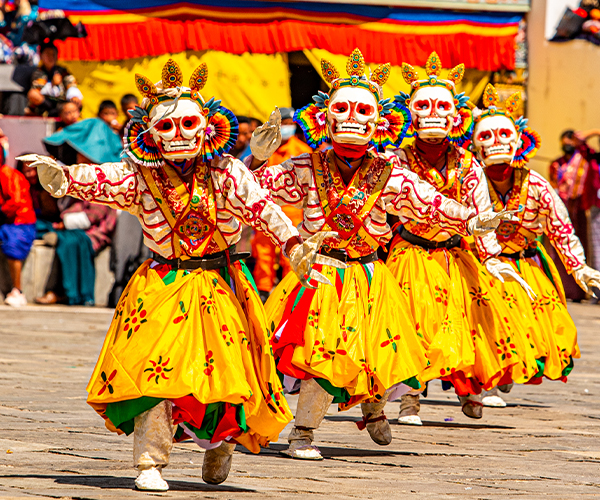
Bhutan is a year-round travel destination with unique benefits for every season: Autumn (September–November) is thought to be perfect with perfect weather, golden valleys, and the popular Thimphu Tshechu festival; Spring (March–May) offers blooming rhododendrons, clear mountain views, and important events like the Paro Tshechu; Summer (June–August) offers lush, peaceful landscapes and fewer tourists, despite the occasional rain; and Winter (December–February) offers crisp air, stunning visibility, fewer crowds, and great photography conditions.
Travelers must pack carefully because of Bhutan's extremely unpredictable, altitude-dependent weather. Warm jackets for chilly nights and high-elevation locations, comfortable walking or hiking shoes for exploration, and layered clothing are crucial for managing shifting conditions. In addition, it is highly recommended that visitors bring essential supplies like sunscreen, sunglasses, and reusable water bottles, and they must dress modestly out of respect for temples and monasteries.
Although Bhutan is considered one of the safest tourist destinations in the world, it is highly recommended that visitors have full travel insurance to cover medical emergencies and evacuation. Travelers should be informed that altitude sickness might arise due to the high altitude in some areas, which makes gradual acclimatization crucial. It is also advised to bring basic medications, especially when traveling into more remote areas.
Travelers should be aware that ₹2,000 notes are frequently not recognized, however Indian Rupees are routinely accepted because the Ngultrum (BTN), Bhutan's official currency, is tied to the Indian Rupee. Visitors should make sure they have enough cash when intending to travel to more rural areas, even though ATMs are available in major towns and credit cards are mostly accepted in upscale hotels and larger establishments.
Travelers can easily buy tourist SIM cards when they arrive at the airport or in major towns. In Bhutan, mobile networks provide dependable coverage throughout cities and towns, although service becomes limited in outlying areas. Visitors should also be mindful that internet speeds could be slower than in other nations, which presents a special chance for a relaxing digital detox.
Bhutanese food is renowned for being tasty and frequently spicy, showcasing regional ingredients. The national meal is the well-known Ema Datshi, which blends cheese with chiles. The primary staple is rice, which is usually served with vegetables and different meats. While vegetarian food is readily accessible, tourists with certain dietary requirements should notify their tour operator beforehand.